Essay for Time Based Imaging“Never mistake motion for action.”-Ernest Hemingway Quotes
The concept of the Video is to show Light and Motion/Movement.
Technology: I used a Nikon 10 megapixel camera to take pictures as well as to make the videos.
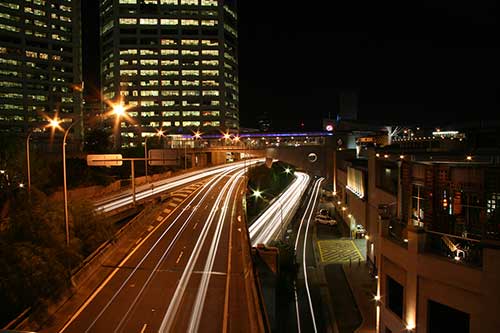
Technique: Long exposure pictures. Long exposure photography is a technique that requires a slow shutter speed for the camera to capture light and movement.
Long exposure photographs are easier to achieve in low-light conditions, but can be done in brighter light using neutral density filters or specially designed cameras.
When the shutter is open for long time, say for more than a half of second it is considered to be a long exposure.
The thought is to detain the movement and express this movement in the photograph. There are two ways of achieving the effect. First is that the camera stays still and the subject is moving or that the subject stays still and the camera moves.
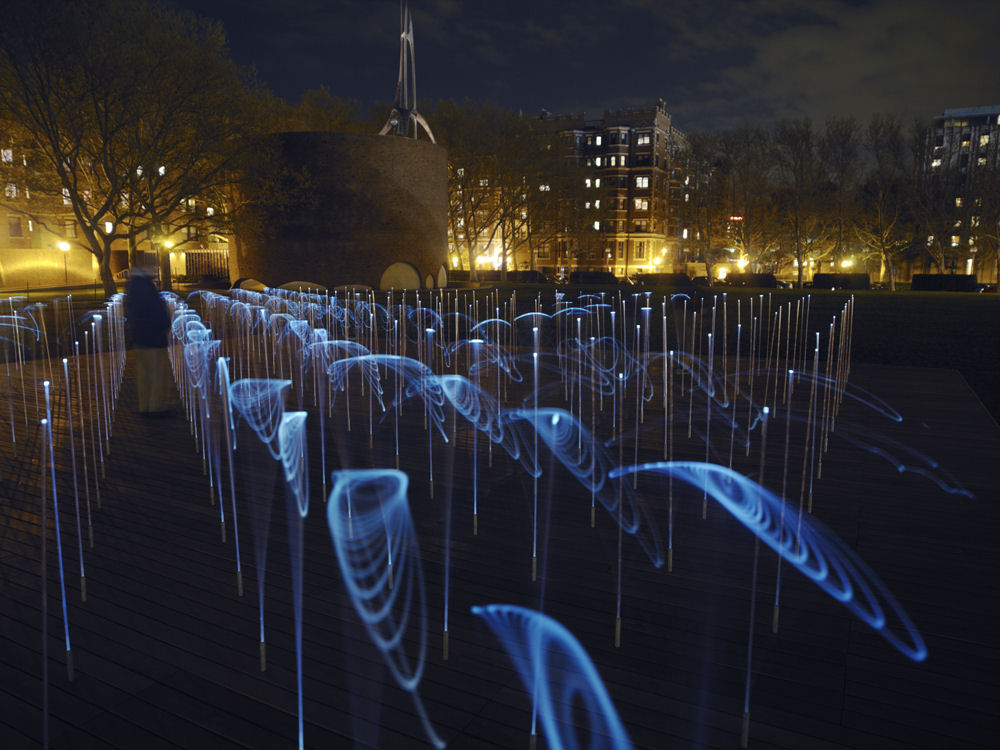
To get the best out of photographs I would prefer a bright/shiny subject/s (or highly reflective), darker background with many bright spots. By doing this, I will achieve a greater distinction between the background and the subject, and the bright lights will create the interesting patterns.
How does the flash work in long exposure photographs?
“Focal plane shutters (common on SLR cameras) consist of two "curtains", usually made of rubberized cloth (in old film cameras) or very thin metal. The first curtain (which I will call the "leading" curtain) normally covers the film or sensor, hiding it from the light coming through the lens. When you take a photo, the leading curtain moves across the film/sensor to expose it to the light. After the leading curtain has moved, another curtain (which I will call the "trailing" curtain) starts to move, again covering the film/sensor to hide the light from it” -Skip Douglas=
http://photo.net/canon-eos-digital-camera-forum/00FZNZ http://tips.romanzolin.com/articles/article054.phpFirst Curtain
When the camera is set to match the flash and shutter at first curtain, shutter opens and at the same time as the flash fires. Because the flash only fires for a short period of time, the flash light time doesn't overlap with the exposure time – it's a lot shorter. Only the first few fractions of a second the scene is lit by the flash. This is shown by the thick red line in the start of the exposure time.
Second CurtainThe second curtain takes place at the end of the exposure time. Flash fires; the scene is lit for a few fractions of a second, shutter closes. And this is shown by the thick yellow line.
ArtistsPhotographer Ale
xey Titarenko has done similar work. Alexey used a mishmash series of long exposure photos. As seen in the photograph below, the merging of the photos can be noticeable by looking at the trainer, at the bottom of the image.
 http://www.alexeytitarenko.com/Brassai
 is a French photographer, filmmaker and a sculptor. Brassai is a night time photographer. I think the last picture of his, on this page shows the long exposure effect. Here are thereof his pictures:
Object of the picture (car) is not moving but the engine is on. The photographer has used a tripod for this picture as the image is not out of focus and everything is in its position. No sense of motion can be seen in the picture but it can possibly be a long exposure photograph, as the picture is taken during the night.
This picture is a reflection of a bridge in water. The picture is blurry, the reason to that can be not using a tripod. The picture has a link to light and reflection, not movement. Motion is a sense that the camera wasn’t kept in still position while the shutter was open.

This picture is taken from very far from the actual place which makes me think that it is a long exposure photograph, as the light in the picture is not clear and the road seems empty but sense of rush can be felt by looking at it.
My inspiration
http://abduzeedo.com/awesome-light-graffiti-pictures has amazing work. Some photographs of their work are below:

This pictures looks like graffiti work. Tones of secondary colours can be seen in this picture, Orange and Blue.
This picture is taken under a bridge. The reflection of the building can be seen in water whereas; the red light is giving the effect of tyres on the road.
For some reason this picture reminds me of Casper ghost cartoons.
A huge difference in the colours, showing the exact positioning of the light and the direction it was moved while the shutter was open.

This picture has a smoky effect.
As seen in all the pictures the background is dark which is making the light obvious and clear.
“The essential difference between emotion and reason is that emotion leads to action while reason leads to conclusions.”- Donald Calne Quote.
For my video I used CyberLink PowerDirector (program) to manipulate and merge the pictures to make them present as one. I added a few picture towards the video and used Film Clip 1 as transitions to play the images with Text Blur as an effect to show the text on top of the playing video of pictures. To make the picture flow smoothly I added a track to it, which is an instrumental piece of music.
Overall, I think I’m going to base my final video on Long Exposure technique but there are possibilities that I may change the way to present Light and Motion.
Bibliography